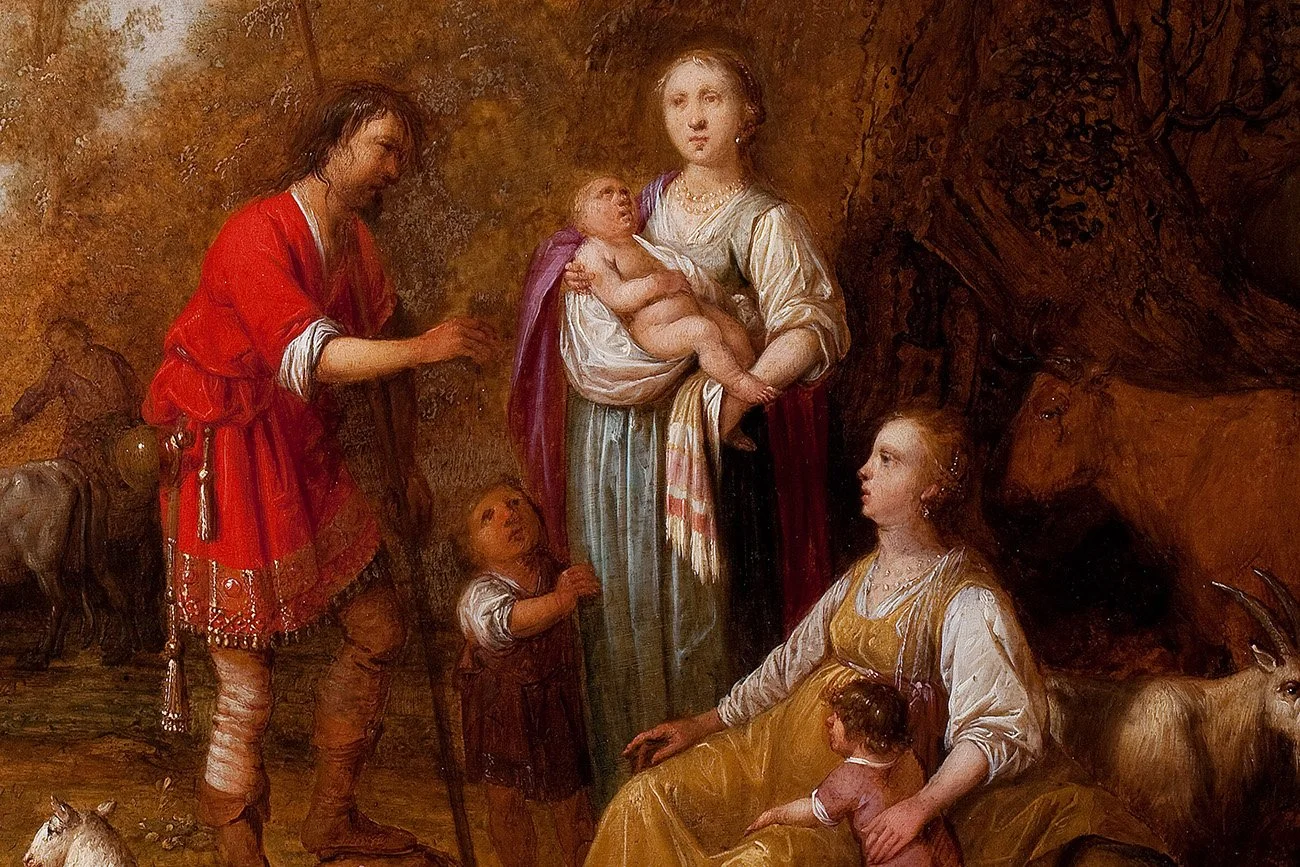
Psalm 68:5 — “A father to the fatherless, a defender of widows, is God in his holy dwelling.”
There is a tenderness hidden inside this verse that is easy to miss if we read it too quickly. God is not described here as a ruler, judge, or architect of moral systems. He is a Father. And fathers defend their children.
Psalm 68 speaks into a world where orphanhood is not merely a private wound but a social condition. To be fatherless in the ancient world was to be exposed to loss of protection, inheritance, and voice. The psalmist does not spiritualize this away. Instead, God is revealed as the One who steps into the gap left by absence. The holy dwelling of God is not separation from pain, but the place from which God moves toward it.
For the recovering orphan, this verse confronts one of our deepest lies: that God relates to us primarily through evaluation. Orphan consciousness expects distance, transaction, and performance. Chosenhood begins when that expectation is interrupted by presence. God does not merely provide for the fatherless. God fathers the fatherless.
Jesus echoes this movement when he tells his disciples, “I will not leave you as orphans; I will come to you” (John 14:18). Notice the promise is not a doctrine or a system, but arrival. Presence. The healing of orphanhood always begins with someone coming close enough to be known. This is why presence—not control, not policy, not correction—is the core of restoration.
Henri Nouwen once wrote, “The greatest trap in our life is not success, popularity, or power, but self-rejection.” Orphanhood trains us in self-rejection long before we have words for it. We learn to manage, to adapt, to survive. We build scaffolding where a home should have been. Psalm 68:5 names the slow dismantling of that structure. God does not shame the orphan for building it. God simply becomes Father where no father was.
Walter Brueggemann reminds us that the God of the Psalms is never neutral. God takes sides—with the vulnerable, the displaced, the unprotected. This is prophetic language, not sentimental comfort. If God is Father to the fatherless, then systems that produce fatherlessness—relationally, spiritually, or socially—stand under judgment. Grace is not passive. It is disruptive.
To pray this psalm is to allow God to redefine holiness itself. Holiness is no longer measured by distance from brokenness, but by fidelity to the abandoned. The Father’s house is not guarded by performance standards, but opened by love. Recovery begins not when we behave better, but when we rest in being found.
Chosenhood does not erase the story of orphanhood. It names it, holds it, and places it inside a larger belonging. Psalm 68:5 is not a metaphor. It is a declaration of who God is—and therefore who we are becoming.