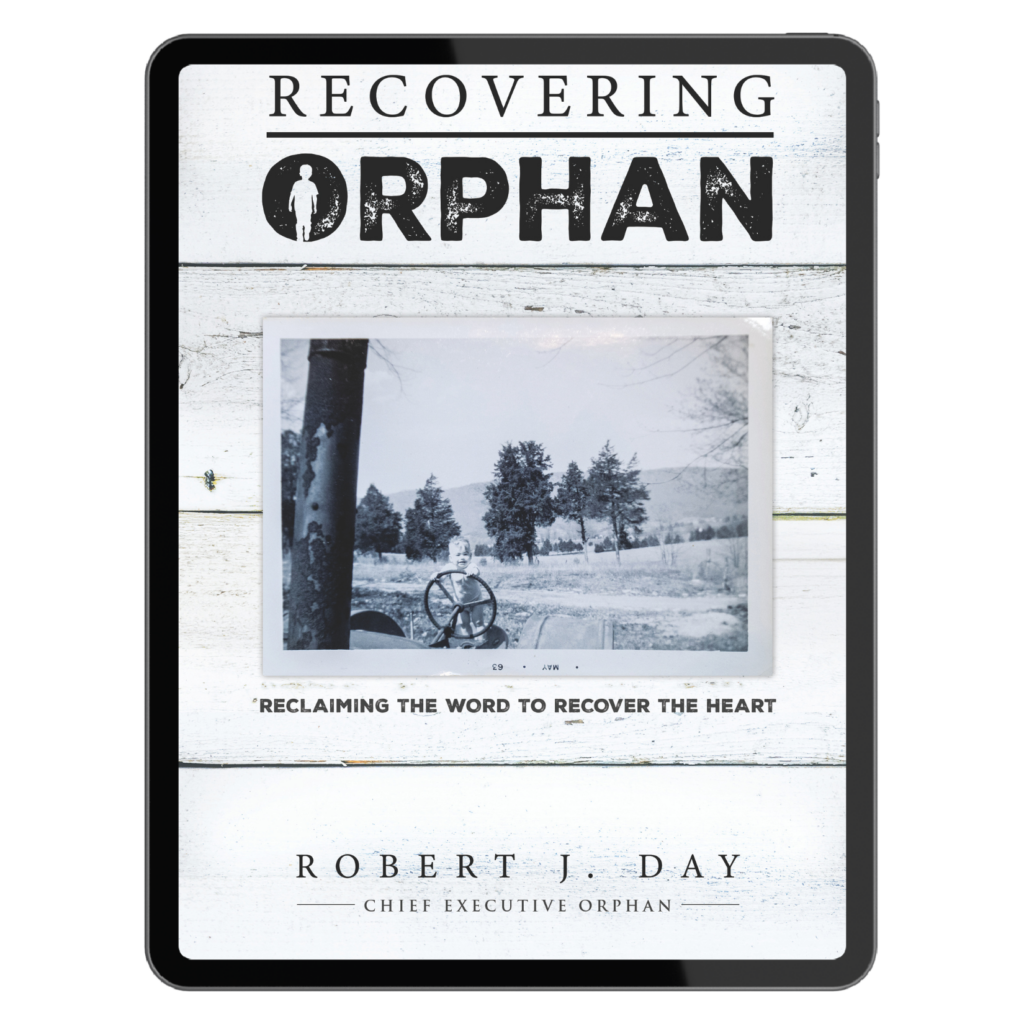
About Recovering Orphan

To be parentally poor is to be an orphan.

Parental presence is more than just a biological fact; it is an active role of nurturing, teaching, and protecting. Without it, a child navigates the world alone, carries an invisible weight, and lacks the safety net that family is supposed to provide.

This reality shapes how a child views their worth and often makes their other relationships emotionally fragile. While society equates orphanhood with the absence of parents, true orphanhood can exist even within a home filled with people. It’s not just the presence of parents but their ability to provide a stable, loving home that gives a child a true sense of belonging.

Principles we affirm

The divine institution of family is an unparalleled force for social good.

God created the family with the purpose of propagating the human race and playing a fundamental role in shaping and sustaining a strong society. In a well-functioning family, individuals are nurtured emotionally, spiritually, and physically, establishing the groundwork for responsible and compassionate members of society. The family, viewed as a microcosm of the broader community, is envisaged as a source of stability, resilience, and moral character.

We believe that God’s intention in creating the family was to establish a framework that fosters love, support, and moral guidance, providing individuals with a sense of belonging and purpose. Families serve as the primary means through which values, traditions, and ethical principles are passed down from generation to generation.

The incident in which Jesus blessed the children and rebuked his disciples for trying to prevent them from approaching Him (Mark 10:13-16) not only highlights His profound affection for children (“for such is the Kingdom of God”) but also underscores His respect for the rights and roles of parents. This, along with other biblical narratives, contributes to shaping our comprehension of the guiding principles of our ministry and the message of reconciliation.

Core Beliefs

Become a member

Gain access to Robert’s exclusive content by joining the community of recovering orphans.

Recovering Orphan

by Robert J. Day

This book is the story of an orphan, a former orphanage, and about a dream to make foster care obsolete.

Children

Every child, loved: Children are vulnerable, precious, time-limited gifts to humanity and must be protected, valued, cherished, and nurtured. They possess a basic human need and an inalienable right to know that they are loved, that they are wanted, that they are somebody, and that they belong to someone.

Children are individuals: Children are citizens of society and thereby have rights as unique individuals to be protected from all forms of neglect, violence, and exploitation.

Every child, a child: Every child is simply a child. Because children do not choose their families, race, ethnicity, religion, class, culture, community, strengths, or weaknesses, compassion and justice require no other adjective to precede the word “child.” 

Children are not adults: Children are not positionally or developmentally capable of being fully informed, consenting adults. Whatever views or feelings they may or may not have about politics, religion, science, technology, cultural trends, or fads should be seen as not yet truly belonging to them.

No child judged: No child should be judged by or because of factors outside their control or influence. Every child has the right to feel valued and respected and to receive appropriate care and support from their family, community, and society as a whole.

children hang upside down on the horizontal bar

Every child, a childhood: Children have unique developmental needs, and as responsible adults it’s our collective duty to ensure they experience a childhood that is as free as possible from the weight of adult concerns. This means creating environments where they can explore, learn, and grow without unnecessary worries, allowing them to develop to their fullest potential.

Every child is capable: Every child possesses the potential for growth, change, and positive contributions to their community, regardless of their beliefs, attitudes, behaviors, or challenges. 

Same opportunities for every child: Every child deserves authentic opportunities for love, support, and respect, regardless of their circumstances or background. This inclusivity should be unconditional and free from biases or prejudices.

Futures free of institutions and systems: Every child has the right to a future free of involvement by institutions and systems and one abundant with evidence-based services that primarily focus on their successful transition from them. 

Special grace for special children: Children who have experienced trauma or who have developmental challenges must be afforded special grace and provision to help them overcome related difficulties.

Family

Families raise children: Family is the fundamental building block of society, as well as the primary caretaker of children. When in a healthy state, family is the most efficient and effective social institution that exists.

Children belong to families: Children are private members of families and belong to their parents and their extended family. Families’ rights to raise their children in ways they deem important must be guarded. 

Praying, together and family holding hands for worship, support and church service. Happy, hope and

Children have rights to their family: Children have the right to stay safely connected to their family, no matter what type of challenges the child or family may face.

Children belong in families, not institutions: If the State needs to remove children from their home for reasons of health and safety, every effort must be made to place that child with another loving family, preferably one that respects and reflects their culture and family of origin.

Community

The Social Contract: The more we view children as integral parts of our community, not just as members of a single family, the more we recognize that caring for them forms a binding social contract. This contract safeguards children, supports and holds families accountable, and requires communities to fill gaps where families may struggle to thrive.

Exercise extreme caution: When it comes to the sanctity of the family and the traumatic impact on children from government intervention, it’s critical to approach such involvement as a last resort, rather than an immediate or default response.

Two families with kids sitting on front stoops

Implementation

Navigating today’s challenges is difficult for any nonprofit, and this task can be even more daunting for Christian ministries. In these times, it becomes crucial to ensure that our programs, policies, and decision-making processes are guided by clear, agreed-upon principles.

In our human experience, the concept of absolute right and wrong is often challenged by the complexities of “real” life. We live in a world where various ideologies, practices, and systems compete, each ultimately falling short. Within this sea of competing wrongs, our task is to identify the solution that best aligns with our faith and values and which minimizes harm to others.


Housing issues for couples and young families

Serving hurting people in such a broken world demands we approach complex issues with nuance and empathy. While we may not always find a perfect solution or an absolute right, we can strive to choose the best possible option, considering varied opinions with utmost respect. Being confident in the principles we believe in can help us make wiser decisions. 

Recognizing that no two principles can be maximized simultaneously, we acknowledge that tension will naturally emerge when trying to make decisions that impact the lives of vulnerable children and distressed families. We must be equipped to live with some ambiguity, while also prepared to give rational justification for our decisions. We should always be ready to acknowledge our mistakes, learn from them, make every effort to correct any harm caused and rectify the situation, and then give ourselves permission to move forward.

All of the content on Recovering Orphan is now free to access! To create a free account, click the link below.