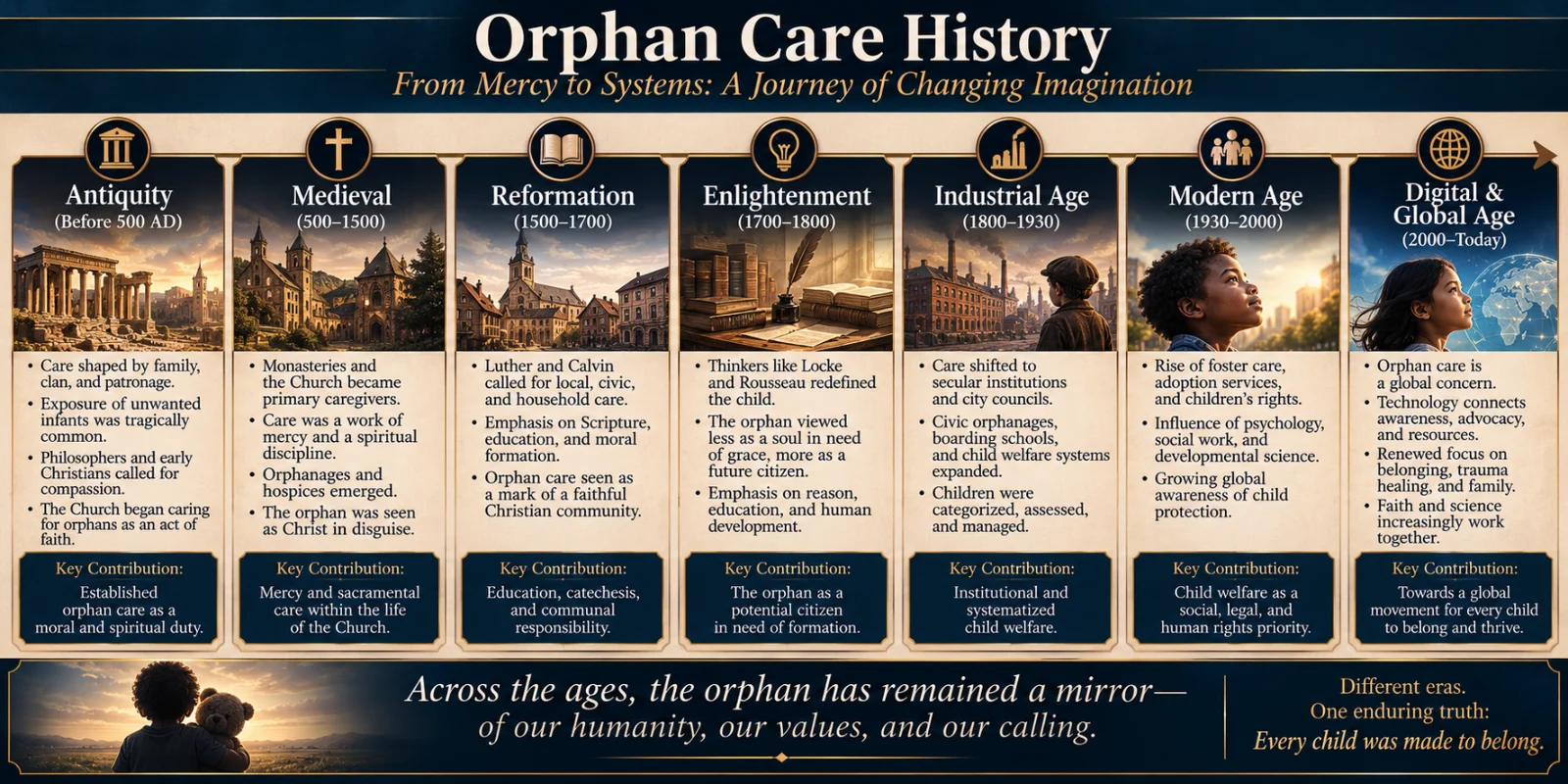

“When Jesus saw it, He was indignant and said to them, ‘Let the little children come to Me; do not hinder them, for to such belongs the kingdom of God.’” — Mark 10:14
There are only two moments recorded in Scripture where Jesus’ anger breaks into the open. Both reveal what matters most to the heart of God.
The first is in the temple. When He saw His Father’s house turned into a marketplace, He flipped tables, drove out the money changers, and declared: “My Father’s house shall be called a house of prayer for all nations, but you have made it a den of robbers!” (Mark 11:17). His anger burned because God’s dwelling place had been corrupted—exploited for profit instead of open for communion.
The second is here in Mark 10. When the disciples tried to push the children aside—silencing, shooing, and shaming them—Jesus didn’t just correct them; He was indignant. The word means stirred to the depths, outraged, almost enraged. Why? Because His Father’s children were being blocked from His embrace.
These two outbursts of holy anger mirror one another: In the temple, His zeal was for His Father’s house. And with the children, His zeal was for His Father’s family.
God’s dwelling and God’s children are sacred. To exploit either is to provoke the fierce love of Christ. Both cases show a consistent truth: to violate what God has made sacred—whether place or person—is to violate God Himself. Jesus’ righteous anger is not about rules; it is about protecting the Kingdom.
Mark 9:42 amplifies this point with urgent, stark imagery: a millstone hung around your neck and being cast into the depths of the sea if you cause a little one of his to stumble. Jesus is clear: there are grave consequences for harming the Kingdom symbols He values most. The temple and the children alike embody the Kingdom of God, whether in physical space or relational life. Violating them is not just wrong—it is a direct affront to God’s reign.
And if we’re honest, the Church still risks both forms of corruption. We can make the sanctuary a place of performance and profit rather than prayer. We can also treat children—especially the orphaned, the fostered, the trafficked, the overlooked—as interruptions rather than the very image-bearers to whom the kingdom belongs.
Jesus flips tables in the temple. He rebukes disciples at the nursery door. He will not tolerate worship that tramples the vulnerable or leadership that walls off His Father’s embrace.
James 1:27 echoes this truth in everyday language: Pure religion is to care for orphans and widows. Not programs. Not appearances. Not sermons. Real faith is measured by how we treat the vulnerable—the ones society forgets, the ones the Church sometimes sidelines.
The temple incident and the children’s incident converge in one clear message: God’s heart cannot tolerate worship that harms or neglects the vulnerable. True religion honors His holiness and protects His children.
In our world today, the “temples” may be institutions, systems, or programs that prioritize performance over people. The “disciples” may be well-meaning adults who inadvertently block children, orphans, and widows from the embrace of the kingdom. Jesus’ indignation is still alive—if we miss this, we risk worshipping rituals instead of life.
Prayer: Lord Jesus, let what makes You angry stir us too. Forgive us when we treat Your house as a stage instead of a sanctuary, and when we treat children as obstacles instead of treasures. Teach us again to see as You see. May our worship honor Your holiness, and may our arms mirror Your embrace—for the orphan, the widow, and the forgotten. Amen.