
“Problems cannot be solved at the level of awareness that caused them.” – Albert Einstein
In every sector of professional helping—whether social work, healthcare, or counseling—there lies an undeniable paradox. These systems, designed to manage and alleviate human suffering, evolve over time with the promise of improved services, increased professional status, and better pay for those who work within them. Yet despite these upgrades, the number of individuals in need of assistance rarely decreases.
This reveals a fundamental flaw in many social service systems: a focus on managing symptoms rather than addressing root causes—because that’s where the funding flows. Professionals are trained to meet urgent needs: feeding the hungry, sheltering the homeless, or counseling the traumatized. These interventions are essential, but they often create a cycle in which the demand for services expands while the societal conditions that cause these problems go unchallenged.
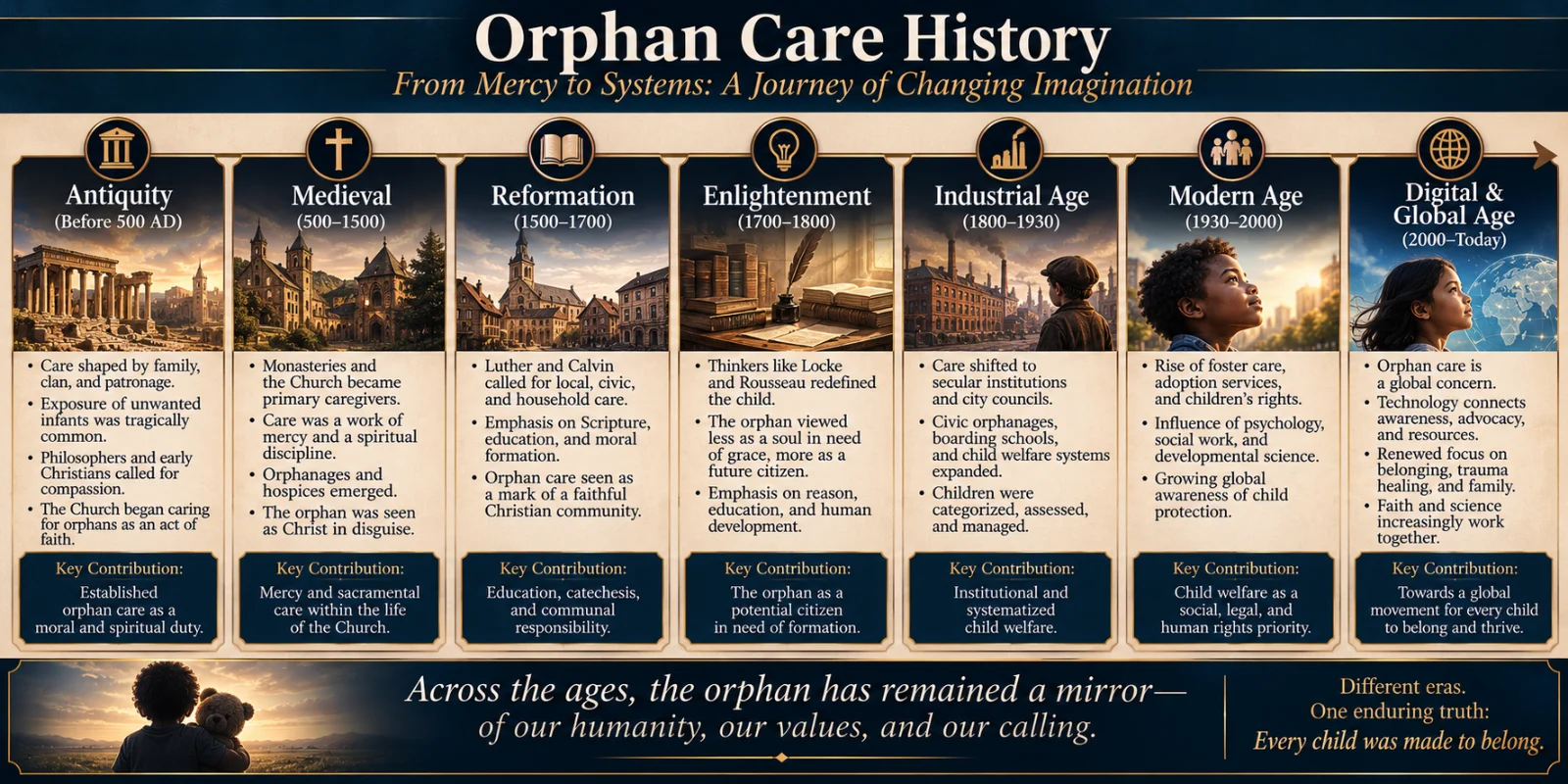
Take orphan care, for example. While social workers, counselors, and caregivers are vital in providing immediate protection and support to abused and neglected children, the number of children entering the child welfare system continues to rise. Factors like poverty, violence, and systemic inequality—often left unaddressed—are driving the increase. Despite advancements in services, these root issues remain deeply embedded, reinforcing the cycle of need.
This pattern highlights a critical truth: helping systems should not exist solely to alleviate suffering in the moment—they must also work to dismantle the systems that produce suffering in the first place. Yet many professional frameworks have been designed, whether intentionally or not, to ensure their own relevance and survival. When the priority is to manage problems rather than prevent them, the system begins to serve itself more than the people it was created to help.
Breaking the cycle requires more than better tools or more staff—it requires a deeper shift in focus. We must prioritize policy, community action, and cultural reform that targets the origins of suffering: economic inequality, inadequate education, family fragmentation, and institutional injustice. A healthy society is not one where helping systems expand, but one where fewer people need them.
The Orphan Justice Coalition embodies this philosophy by calling for a bold reimagining of care. Instead of relying solely on temporary relief, we must target prevention—grounded in faith-based, relational, and trauma-informed approaches that build resilience and restore families before crises occur. In doing so, we move closer to a future where support systems shrink because they are less needed, not because they are less funded.
“Any intelligent fool can make things bigger, more complex, and more violent. It takes a touch of genius—and a lot of courage—to move in the opposite direction.” – E.F. Schumacher
The true success of professional helping is not measured by how many people we serve, but by how many people no longer need to be served. Until we confront the root causes of human suffering, the systems we rely on will continue to perpetuate the very problems they aim to solve.