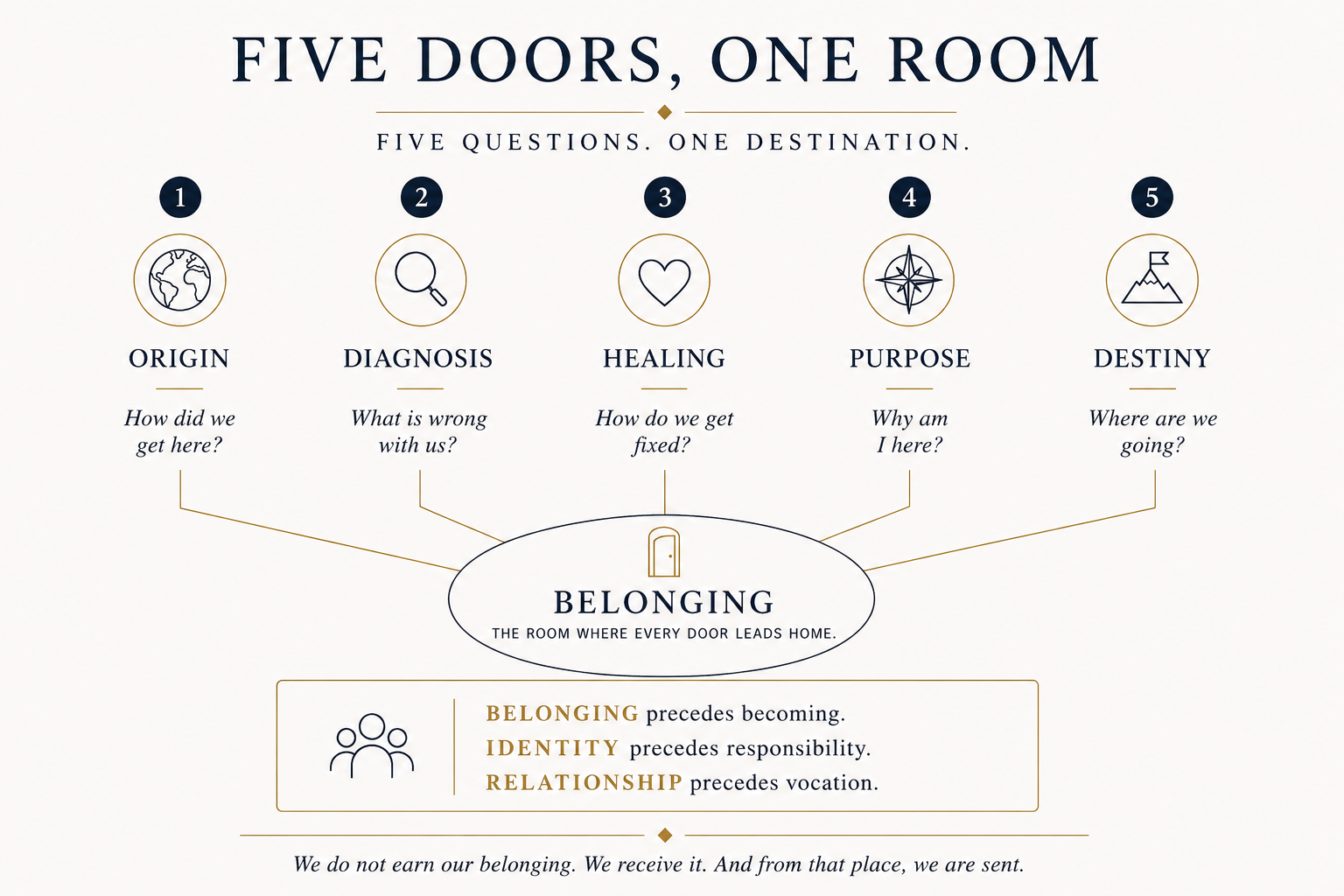
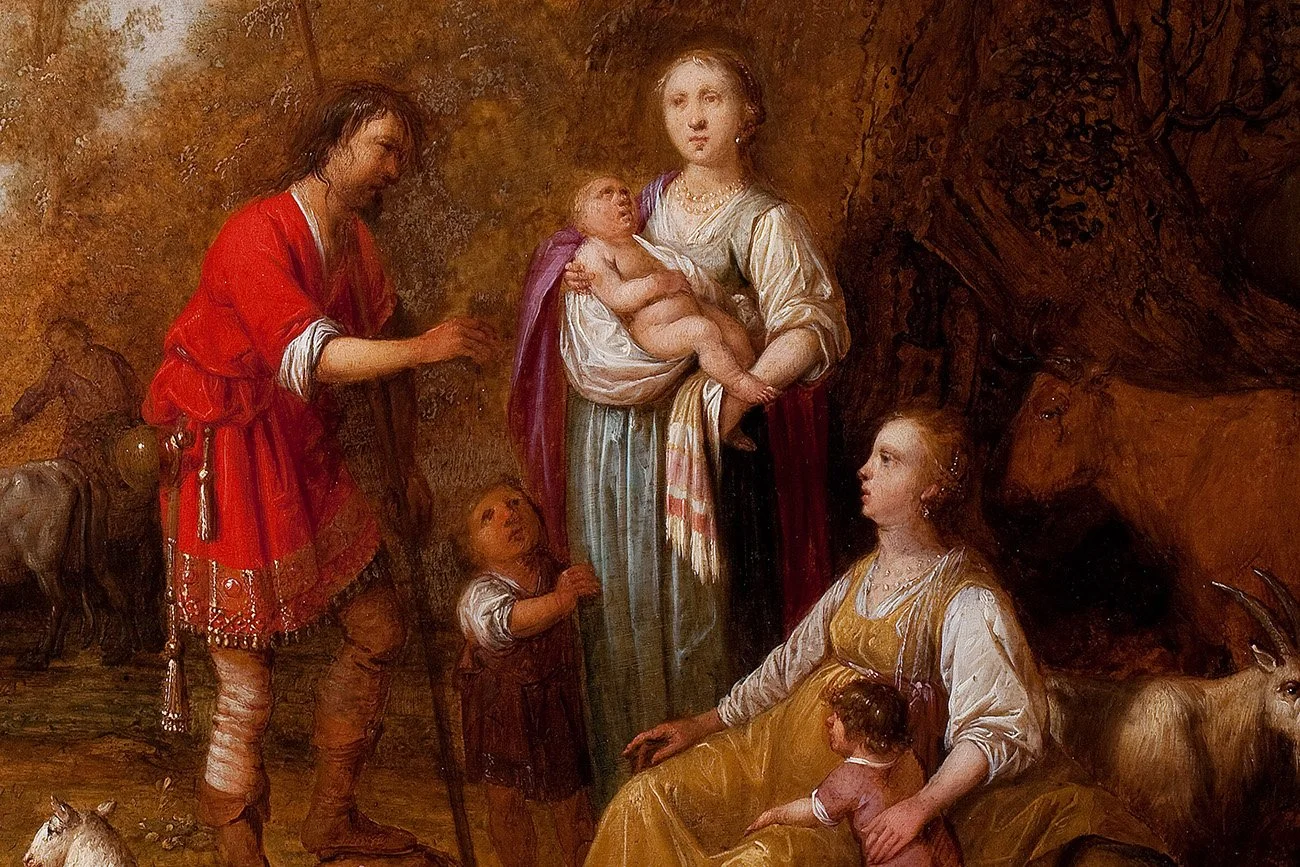
Orphan is the word Scripture uses not only for those without parents, but for those without place, protection, or personhood. It is the word God uses to describe those He draws near to, and the word that names the deepest ache the gospel has come to heal.
Thomas Merton, the Trappist monk and mystic who spent most of his life in a monastery in Kentucky, wrote extensively about the condition of the self—the one that strives and hides, and the one that waits to be remembered. In New Seeds of Contemplation, he describes the false self as “the illusory person I want myself to be but who cannot exist, because God does not know anything about him.” For Merton, the false self isn’t merely an identity built in error; it is a barrier to communion.
He continues, “To be a saint means to be myself.” Not a role. Not a mask. Not even a better version. Just the self God already sees—the one beneath the shame, the story, and the striving.
The recovering orphan’s journey begins here: not with improvement, but with exposure. Not with effort, but with remembrance. We are not climbing back into God’s favor. We are learning to receive the name we never truly lost.