When Spiritual Orphans Trade Transformation for Belonging
Christianity was never meant to be comfortable. The first followers of Christ didn’t build empires. They carried crosses. Yet in much of the modern West, the gospel of surrender has been repackaged as the gospel of self-fulfillment. It’s not so much about dying to self anymore; it’s about curating a version of faith that looks good, feels good, and offends no one.
For the recovering orphan, this distortion is especially tempting. Those of us who grew up hungry for love and belonging often cling to systems that promise identity, stability, and approval. The comfort gospel whispers exactly what the orphan heart longs to hear: You’re accepted. You belong. You’re safe here. But beneath the warmth is a quiet lie, that following Jesus will never cost us anything.
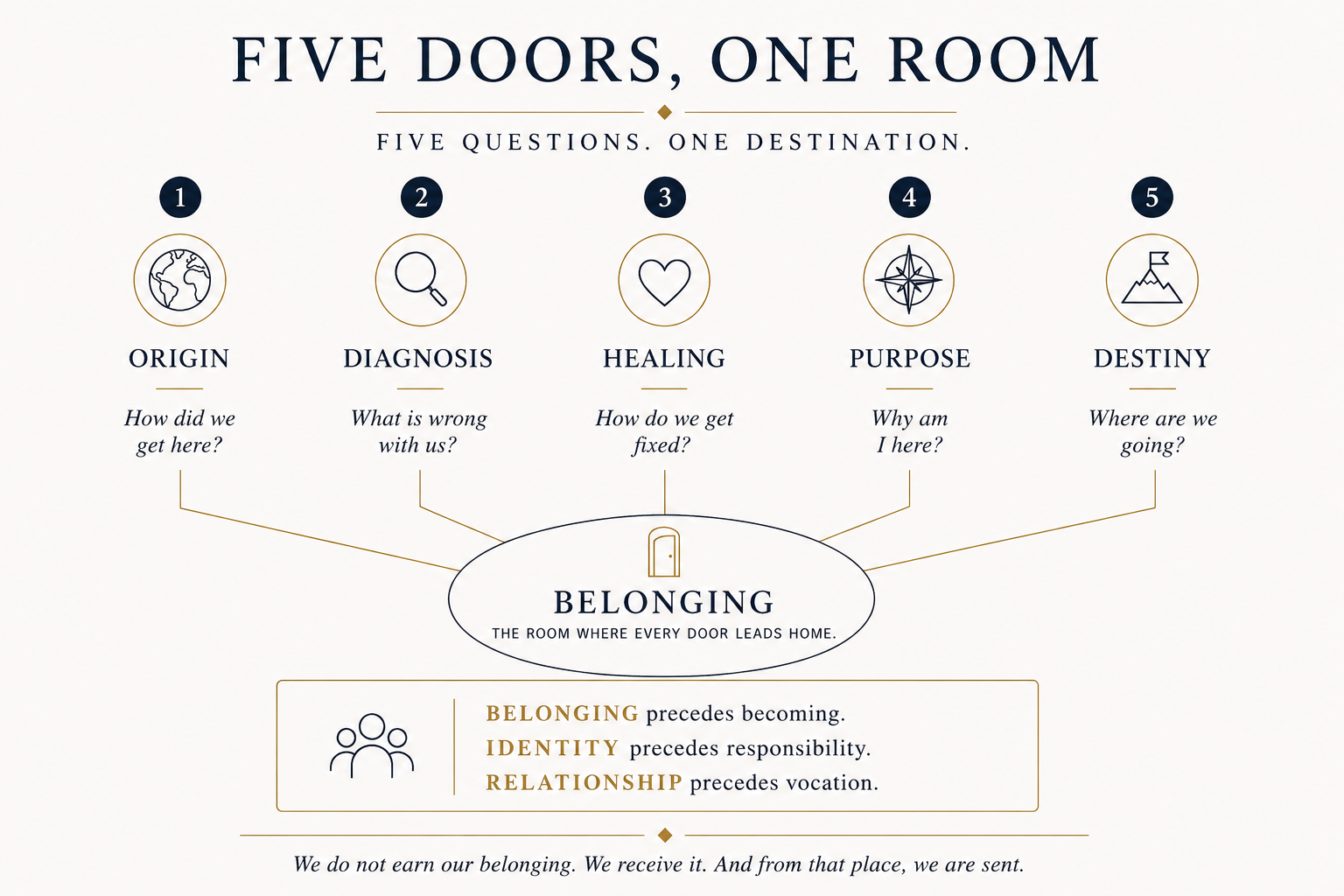
We buy the T-shirts, post the verses, and join the groups, but still feel the old ache underneath. Because belonging built on branding doesn’t heal abandonment—it hides it. The true gospel doesn’t sell us acceptance; it adopts us. It names us as sons and daughters of God—not consumers, not fans, not image-managers.
Brand Christianity trades transformation for performance. It prizes polish over repentance, relevance over reverence. It promises peace without sacrifice. But the cross was never a comfort object—it was an invitation to die to everything false and rise into something real.
Recovering orphans understand this paradox better than most. We know what it means to long for home, to seek identity in all the wrong places, and to mistake applause for love. But Christ’s gospel doesn’t market belonging; it gives it freely, purchased by suffering. It does not flatter the orphaned heart; it heals it.
So we must resist the comfort gospel—not out of cynicism, but out of love for what’s true. Because faith that never costs us anything cannot change us. And a church that mirrors the world cannot heal it.
How often do we confuse being seen for being known, or comfort for belonging?