There is a kind of safety that hides its own violence. The orphaned soul, weary of loss, builds sanctuaries of certainty. It trades the ache of abandonment for the armor of control. These structures can look holy from the outside. They sing hymns, preach sermons, and manage morality. But inside, they are ruled by the same fear that once exiled them; the dread of being unwanted.
The false home is not the house of the sinner; it’s the house of the self-righteous. It is the place where belonging is earned, love must be proven daily, and the air is stale with the doctrine of works. It feels safe because it maintains predictable borders. But it’s not home. It is a managed refuge for those too afraid to be vulnerable.
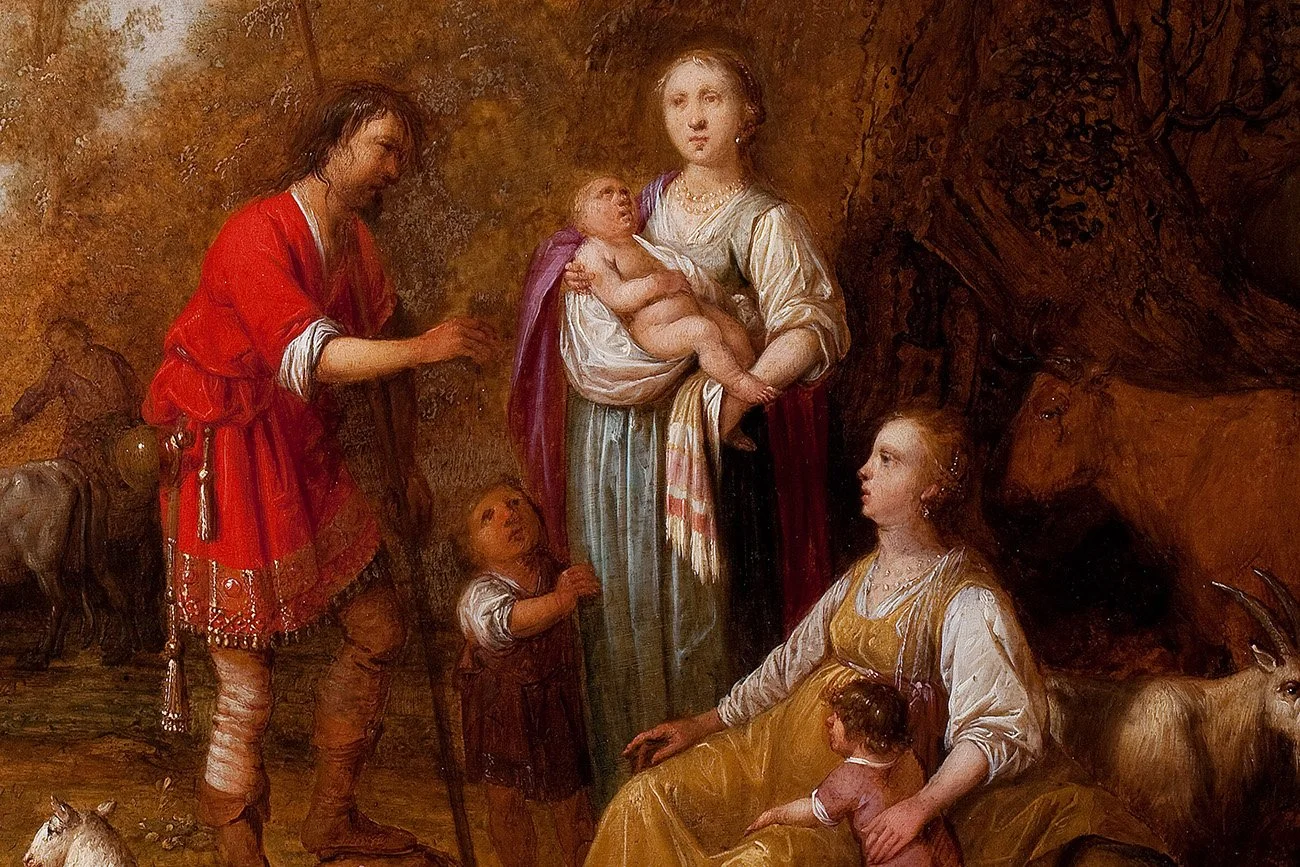
The story Jesus told about two sons and their father is not only about rebellion, but it’s also about control. The younger son leaves in open defiance, but the elder stays in quiet resistance. He performs obedience, yet his heart lives outside the feast. Both sons are lost, but only one knows it.
The older brother’s tragedy is subtle. He mistakes presence for intimacy and compliance for communion. He believes the Father’s love must be maintained by performance. His exile is internal, a self-imposed orphanhood guarded by virtue. This is the shape of the false home: an environment that prizes order more than affection and clarity more than compassion. It is the shadow side of religion, where the fear of disconnection is canonized by discipline.
When the human heart has been wounded by unpredictability, control becomes its sacrament. In trauma theory, control is the nervous system’s substitute for safety. Neurobiologist Bessel van der Kolk observes that the traumatized body organizes itself around danger, long after the danger has passed. Religion often does the same. It arranges doctrine around fear instead of love, as though vigilance were virtue.
The religious orphan does not seek holiness. Not really. What they subconsciously seek is protection. They construct doctrines, hierarchies, and moral codes to guarantee what the Father gives so freely: belonging, acceptance, and inclusion. Every rule, every ritual, is another attempt to keep chaos at bay.
Spiritual abuse thrives in this kind of religious soil. Leaders (especially the narcissistic ones) who have never known unconditional love will often reproduce the same orphan patterns through authority. Churches become laboratories of anxiety, where fear is managed by structure, and faith is reduced to various forms of submission and sacrifice.
“We build cathedrals of certainty,” wrote Brennan Manning, “because we are terrified of love.” But the gospel was never meant to be a system of control. It is a relationship of trust. It’s a place where love can be received with joy rather than governed by fear.