“Now my husband will love me…” (Genesis 29:32)
There’s a raw, deeply human ache in the story of Leah that many of us know all too well. It’s the quiet, lingering pain of not being chosen. Leah wasn’t unloved because she lacked value; she was unloved simply because Jacob’s heart belonged to someone else.
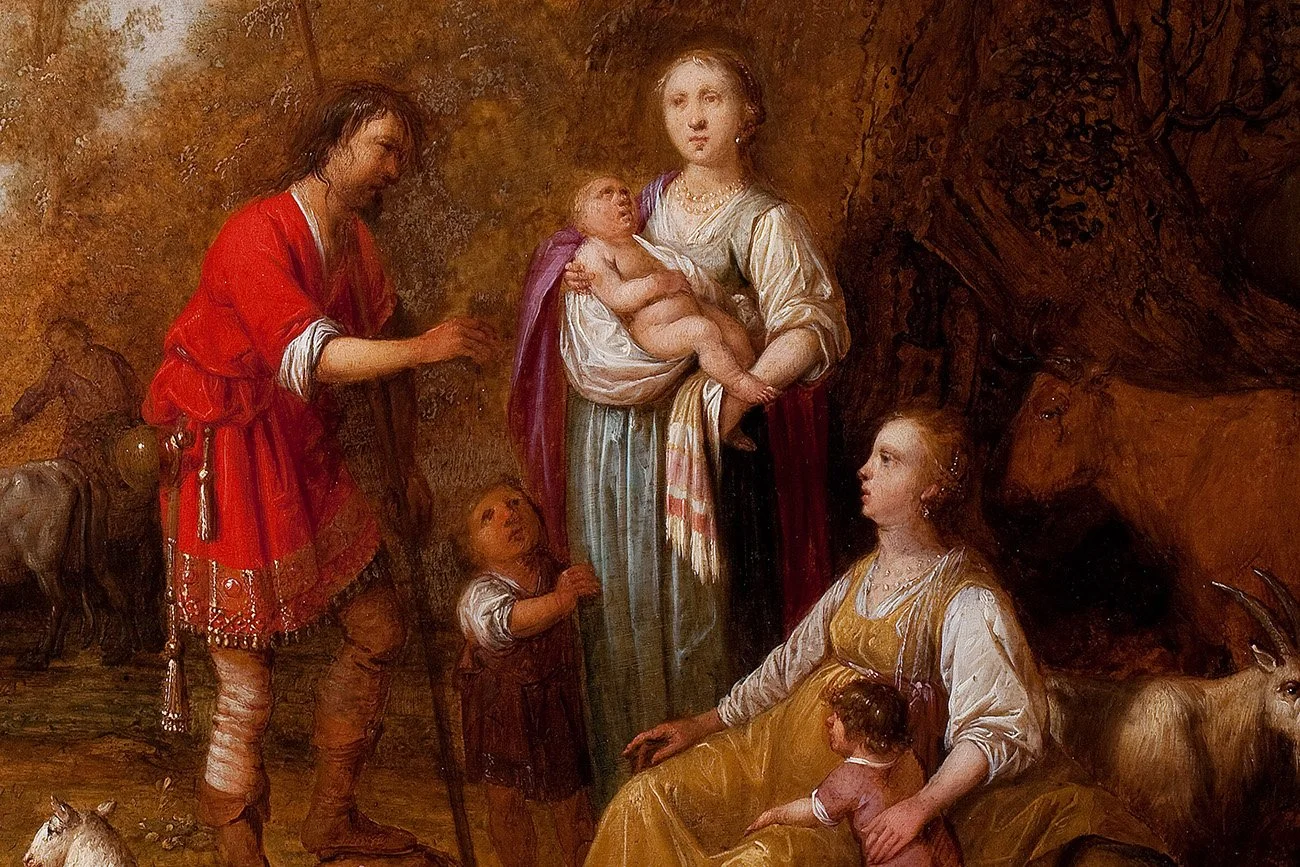
The real tragedy of her life wasn’t a one-time rejection—it was the years she spent trying to earn a sense of belonging that was never going to be given freely. We see this exhausting struggle in the names she gave her children. With every son she brought into the world, she hoped she was finally holding the key to her husband’s heart. “Surely now my husband will love me,” she whispered after her first. And with her third, “Now at last my husband will become attached to me.”
The Cycle
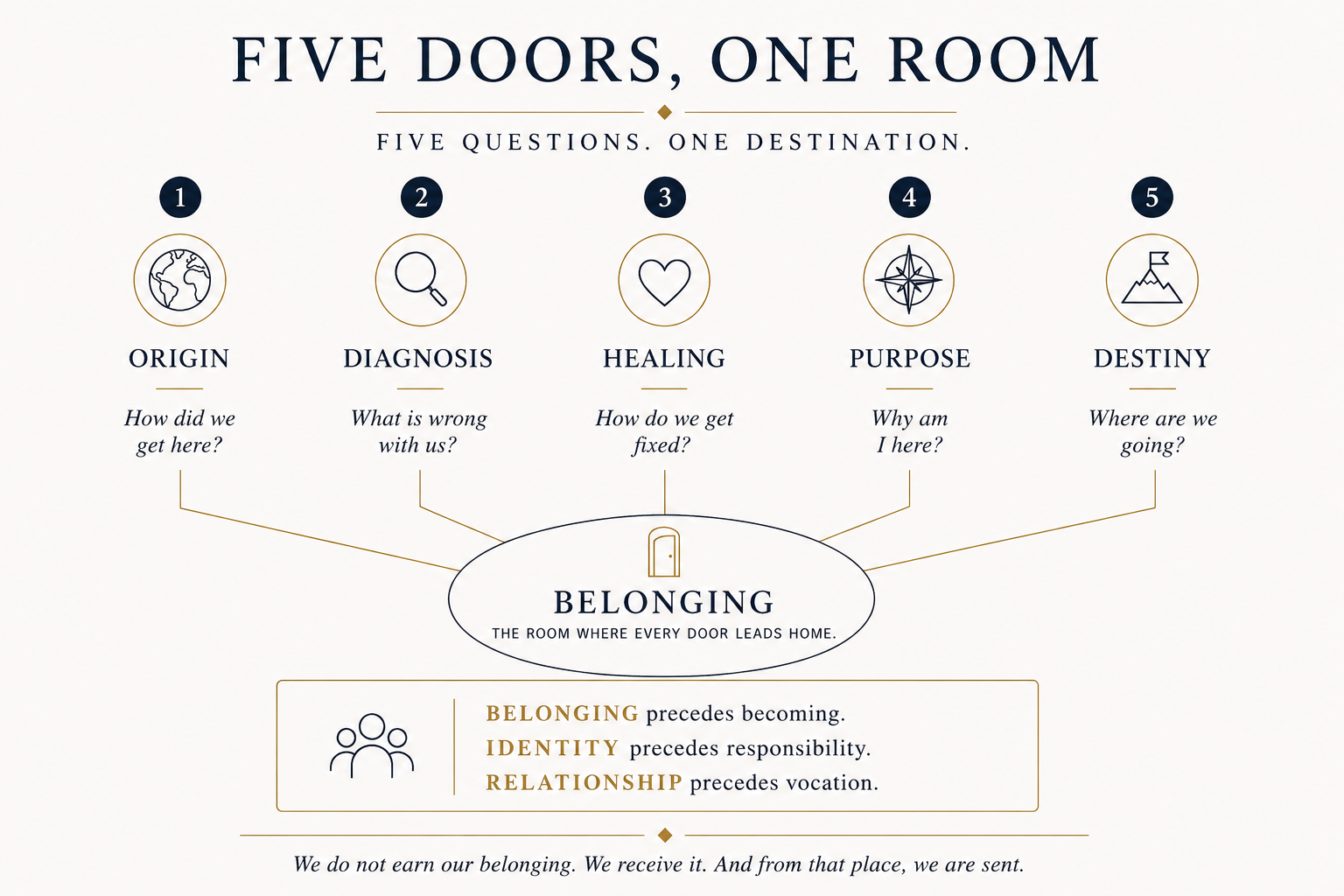
It’s a cycle we still fall into today. We whisper the same quiet lies to ourselves: If I can just do a little more, be a little better, or produce enough results, then I will finally be accepted. Then I will finally be enough. But true belonging is never a transaction. It isn’t something we can earn through performance; it can only be received.
The Turning Point
Leah’s turning point came with the birth of her fourth son. This time, she didn’t look at Jacob for validation. Instead, she looked down at her baby and named him Judah, declaring, “This time, I will praise the Lord.” In that moment, something shifted deep within her. She stopped measuring her worth by the coldness of her husband’s tent and started resting in the warmth of God’s presence. She decided to stop striving for the acceptance of a man who couldn’t see her, and instead embraced the God who had never looked away. And there is a beautiful, quiet redemption in how her story unfolds. Leah, the unwanted wife, became the matriarch of the promise. It was through Judah’s line that King David was born, and generations later, Jesus.
From Second Best to Chosen
The woman who spent her life feeling like second-best was the very person God chose to bring the Savior into the world. This is so often how God works. While the world chases status, beauty, and achievement, God moves toward the margins. He seeks out the overlooked, the tired, and the ones who feel entirely unseen. He doesn’t do this out of pity, but to remind us of a profound truth: we are received before we are ever required to perform.
A Different Way
Leah’s story resonates because so many of us are still waiting for someone—a partner, a parent, a boss, or a crowd—to finally choose us. But the heart of the Gospel offers a different way to live. It tells us that our deepest sense of belonging isn’t something we have to achieve. It is already ours. Today, may we step out of the shadows of comparison, lay down our heavy tools of striving, and simply rest in the truth that we are already known, already seen, and deeply loved.