
I’m increasingly persuaded that many of the crises plaguing our society—from addiction to incarceration, homelessness to human trafficking—are not just random outcomes of individual choices or broken systems. They are the inevitable fruit of a rising tide: the silent epidemic of the anonymous American orphan.
And I don’t mean only those without biological parents. I mean those who live with an orphaned identity—a generation disconnected from belonging, dislocated from meaning, and dysregulated in their bodies and relationships. These are the postmodern orphans: those formed by trauma, neglect, abandonment, or chronic emotional insecurity. Those who grew up never feeling truly safe, seen, or named.
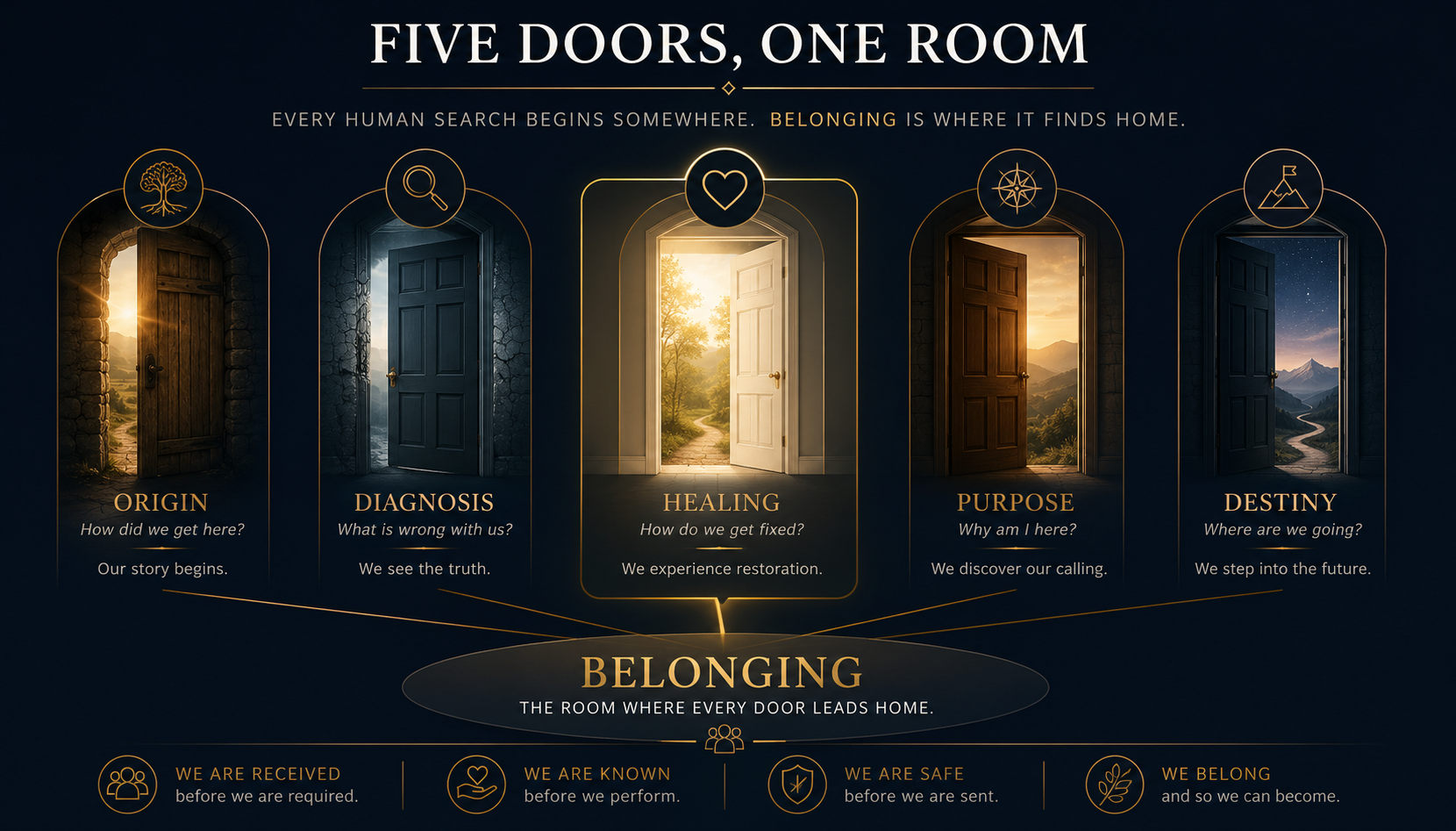
We are not facing a crime problem or a drug problem or even a mental health crisis in isolation. We are facing a belonging crisis—and it is producing orphans faster than we know how to care for them.
Orphanhood Is the Hidden Root
The research is undeniable. Children who grow up without safe, stable, and nurturing relationships are at significantly higher risk for:
- Substance use and addiction
- Juvenile delinquency and criminal behavior
- Academic failure and school dropout
- Unemployment and chronic poverty
- Mental illness and suicide
- Vulnerability to trafficking and exploitation
This is not just psychology. It’s theology. In the biblical story, to be an orphan is not merely to lack parents—it’s to be cut off from covenantal belonging, to live as if love must be earned and identity must be performed. It’s the condition that arises when the soul forgets it is named.
What Would Happen If We Healed the Orphan?
Here’s the radical claim I believe with all my heart:
This isn’t wishful thinking. It’s informed by decades of trauma research and the theology of divine adoption. When children are truly seen, when their bodies are safe, and when they are called by name—not by their performance but by their personhood—they don’t need to numb, hustle, or disappear.
Healing the orphan spirit does more than reduce risk—it rehumanizes a culture bent on commodifying people.
Orphanhood Is Not Just a Social Issue. It’s a Spiritual One.
The Church cannot outsource orphan prevention to social services or policy reform. As long as we treat orphanhood as someone else’s problem, we will continue to be complicit in the systems that produce it. Every child who ages out of foster care without a permanent family is not simply a policy failure. It’s a moral failure. It’s our failure.
We Need a Movement of Healing, Not Just Helping
Orphan prevention is not a project of charity. It is a movement of return—a collective repentance from the systems, ideologies, and neglect that orphan the soul.
We need:
- Early intervention and attachment-based parenting
- Churches that prioritize trauma-informed discipleship
- Communities of belonging that practice radical hospitality
- Policies that support vulnerable families rather than punish them
- Theological frameworks that teach identity as received, not achieved
The rising tide of orphanhood is the true crisis of our time. But the good news is this: it is a crisis we can reverse. Not with more performance or punishment—but with presence. With safety. With a commitment to remember the name that trauma tried to erase.
Because every orphaned heart is really asking one question: Do I matter?
And the gospel’s answer, if we’re living it well, is not a sermon. It’s a presence. It’s a whisper that says: You are already named. You are already loved. You are already home.