
I’m a little teapot
Short and stout
Here is my handle
Here is my spout
When I get all steamed up
Hear me shout
Just tip me over and pour me out!
“I’m a Little Teapot” is a classic American nursery rhyme and children’s song written in 1939 by George Harold Sanders (music) and Clarence Kelley (lyrics). Originally composed for use in Kelley’s dance studio, the song was designed to help children learn basic movement and coordination through a simple, fun routine. The lyrics are playful and accessible, and the accompanying gestures—placing one hand on the hip (handle) and the other extended (spout)—quickly made it a favorite among teachers and parents.
Unlike many older nursery rhymes with obscure origins or darker historical roots, “I’m a Little Teapot” was born in the 20th century and reflects a more innocent, instructional tone. It celebrates self-expression and emotional release (“when I get all steamed up, hear me shout”), teaching children that it’s okay to express big feelings in small, healthy ways.
Over time, it has become a staple of early childhood education, often performed in preschools and homes worldwide. Its upbeat rhythm and physical engagement make it a symbol of inclusion, play, and the joyful affirmation of one’s presence—even if you’re “short and stout.”
I’m Little Outcast
I’m a little outcast,
Bruised and small.
Whips have a handle,
I have no one to call.
When Mama gets angry,
Hear her shout—
She tears me open, and the blood pours out.
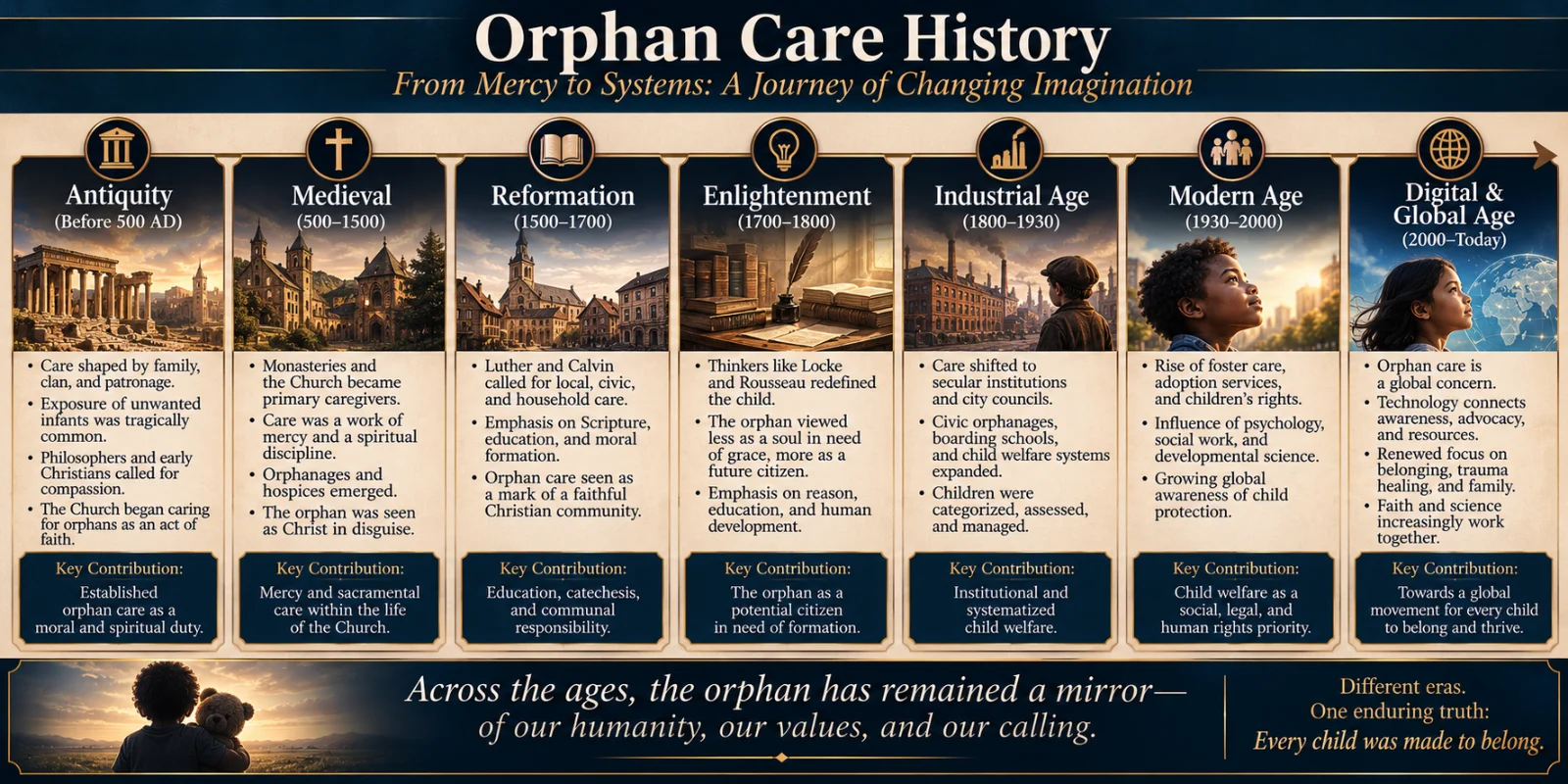
The cheerful rhyme of I’m a Little Teapot masks a darker reality for too many children. I’m a Little Outcast is a stark rewrite, dedicated to Mary Ellen Wilson—the battered girl whose suffering finally moved a nation to protect children under the law.
Before Mary Ellen’s case in 1874, there were no formal child abuse statutes in America. Her rescue, made possible only through animal cruelty laws, and a Methodist missionary, shocked the conscience of a watching public and led to the formation of the first child protection agency.
But nearly 150 years later, children like her still slip through the cracks. They remain unseen, unheard, and unprotected—trapped in homes where cries go ignored and pain becomes normal.
This is more than history. It’s a call to vigilance. A reminder that behind closed doors, the teapot may not be whistling. It may be screaming.